

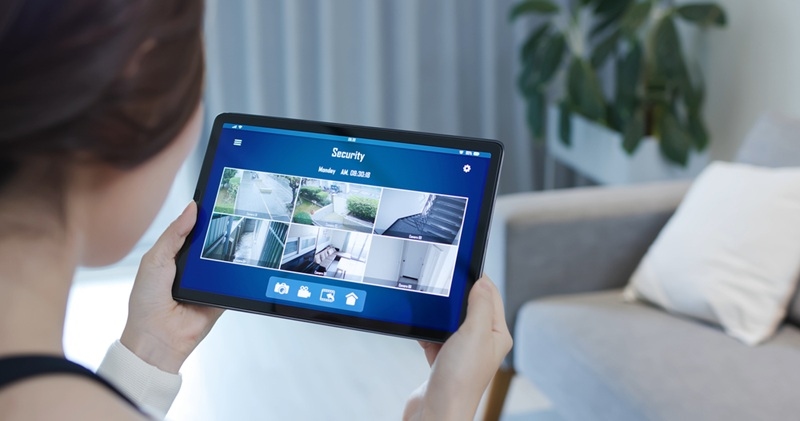
Wireless technology has really flipped the script on how we keep our homes safe. Fast forward to 2026, and those wireless security systems are super smart, way faster, and just more dependable than they've ever been. They mix WiFi, RF, and cellular connections to give solid protection without all that messy wiring.
Modern home security systems can be tweaked to match what you need. This guide will totally help you figure out how these systems work, what features are actually important, and which choices you should really think about this year.
Let’s see different types of wireless security systems:
WiFi systems are probably the most popular kind of wireless security out there. They connect cameras and sensors straight to your home internet.
These ones have a rep for giving real-time alerts, letting you stream live video, and offering cloud storage. A lot of wireless security cameras fit into this category and are used for both indoor and outdoor viewing.
WiFi systems work best for homes where the internet is solid. They are super simple to get going and are great for your everyday security needs.
RF systems hop on radio signals to link different parts, like sensors and control panels. They are commonly used in home security setups, keeping all the devices communicating properly.
What is cool is that they do not need the internet, so they stay reliable even if your WiFi takes a hit. Plenty of mixed wireless alarm setups use RF tech just in case.
RF systems really shine in bigger homes where you need reliable connectivity across various rooms.
Built on mobile signals, cellular setups stay online without Wi-Fi. Many call them top choices for wireless safety because they keep going during internet blackouts.
Most of these configurations land high on 2026's home security rankings due to solid performance without needing the web. Yet reliability stands out when signals go down.
They are perfect for those remote spots or areas with shaky WiFi. Many advanced smart home security options even come with cellular backup for that extra peace of mind.
Suggested Read: Motion Detector Camera Buying Guide 2026: Top Pick Explained
Alright, check it out. The top system overall is the SimpliSafe 8 Piece System. It is one of the best-rated wireless security setups for 2026. It gives you both WiFi and cellular connections, which means you are covered no matter what.
Setting this up takes almost no effort, yet you still have the option to connect it with pro monitoring services. When full protection matters but complicated setups do not appeal, consider giving this model a serious look.
Now here’s one that won’t drain your wallet - the Avance WiFi GSM Alarm. Puts up a solid fight when it comes to simple home protection. Not flashy, just functional.
Finding a system that notices movement plus lets you check in from far away? That fits well. Perfect for compact areas - think city living - or anyone keeping an eye on spending.
Now, let us talk about the Oakter Smart Home Kit. This one is built for those who want to step up their smart home security game.
It works with other smart gadgets, and you can automate stuff right from your phone. So, if you want to control various devices and make your home all connected, this is a really good pick.
If we look into security cameras, the TP-Link Tapo C212 is quite popular. People like this one for being wireless, and it has pretty impressive video clarity, along with night vision and motion alerts.
You can use it for indoor monitoring, and honestly, it performs well without breaking the bank.
And for those places where the internet is not stable, the Imou Cruiser 4G Camera is a solid choice. It runs on cellular networks, so you do not have to worry about losing connection.
This is especially useful in rural or remote spots.
Explore Further: Discover Essential Smart Tech and Cool Gadgets for Men
When you are out shopping for wireless security systems, focus on features that really make things reliable and easy to use.
People like wireless security systems for plenty of reasons these days.
Although wireless alarm system installations are easier, there are certain drawbacks that come with them.
Without internet access, some features might be useless. You have to keep changing batteries in sensors and cameras. There might be signal disruption sometimes as well.
Nevertheless, such problems can be minimized by purchasing alarm systems that have cellular backup and strong RF communications.
Picking the right home security system in 2026 really boils down to your needs. For those in small apartments, a basic WiFi system will do the trick most of the time. If you have a bigger home, going for a hybrid setup with RF and cellular backup is smart.
And if you are in a remote spot, a cellular system is your best bet. If you are a tech whiz, a fully integrated smart home security system will probably give you the best experience.
Just keep a balance between your budget and the features you really want. Putting money into solid wireless security cameras and backup connectivity will go a long way in keeping you safer.
Explore More: Smart Home Gifts That People Actually Use Every Day
In 2026, it seems like wireless security systems have leveled up and become super accessible.
They mix convenience, flexibility, and reliability in a way that is hard to beat. You want a system that keeps your place safe while making your day-to-day life easier, and choosing wisely with good wireless security cameras can really bring you peace of mind and protection in the long run.
Wireless security systems will not be very easy to hack if you keep strong passwords and turn on encryption. Most modern devices come with security features that protect your data. Also, doing regular updates and using secure WiFi networks will minimize the chances of hacking or accessing without permission.
Typically, the battery in a wireless alarm system can last anywhere from six months to two years. It mostly depends on how they are used and the type of device. For example, sensors consume less energy, whereas, for uninterrupted use, a camera might have to be charged or its battery replaced more often.
The majority of wireless security cameras are made for outdoors, and so they can withstand rain, dust, and temperature variations. In fact, severe weather may cause a slight decline in the performance of the cameras. So it is always better to opt for cameras that are rated for weatherproofing.
Of course, the majority of wireless security systems are also built in a way that the end-user can perform the installation. Usually, they are packed with installation guides that are straightforward plus there is an app-based setup for most of them. Therefore, one can put cameras, sensors, and alarms in place pretty much hassle-free without calling the professionals or having some sort of technical knowledge.
This content was created by AI